Fungi detection and disease pressure
Fungal pressure is one of the most practical "hidden variables" in crop performance.
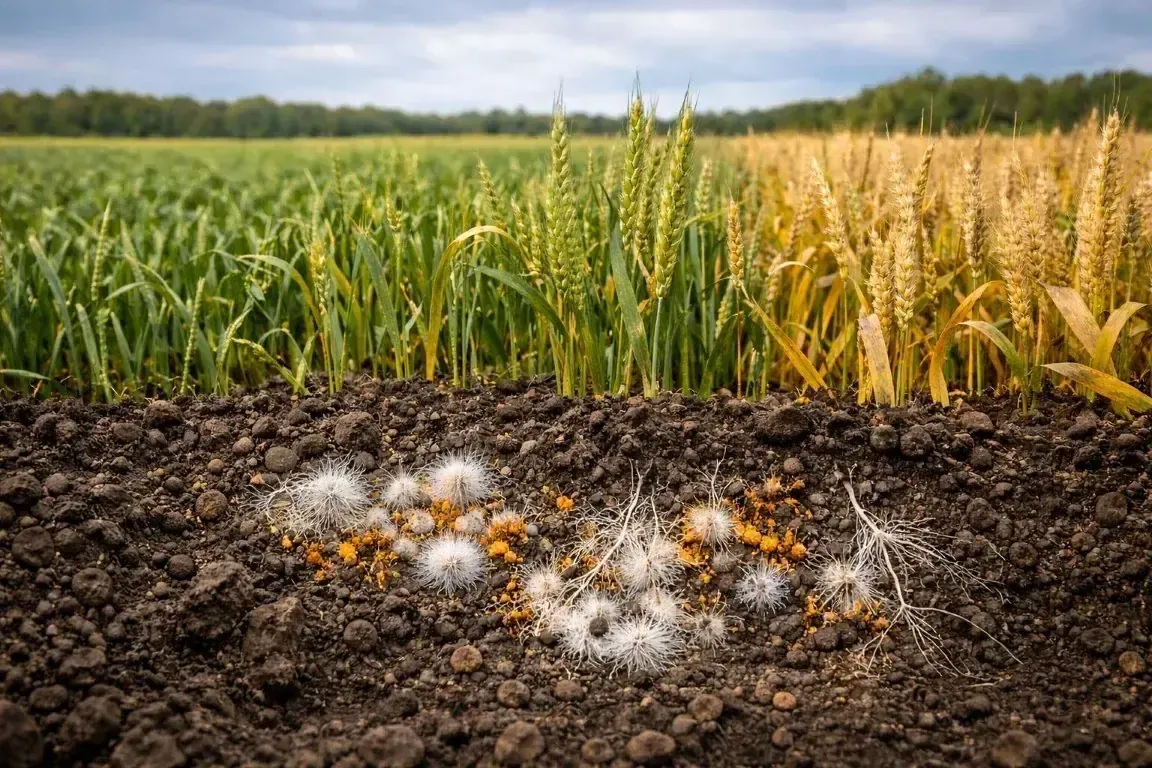
Fungal pressure is one of the most practical "hidden variables" in crop performance. Some fungal problems show up clearly in-season, but many build quietly in soil, residues, seed lots, or greenhouse environments before symptoms are obvious. By the time disease is visible, the decision options are often limited. That is why fungal detection is increasingly used as a planning and risk tool: to understand pressure earlier, document it, and reduce surprises.
Biomcare's fungi test is built for this reality. Many "fungi tests" in agriculture still focus on one organism at a time, which makes it difficult to get a complete picture of disease pressure. Our approach combines broad fungal detection with a validated pathogen panel. You get both the decision layer (which key pathogens are present and at what level) and the context layer (the broader fungal profile, including beneficial and opportunistic fungi). This matters because disease pressure rarely sits in isolation; it often shows up as dominance patterns and community shifts that influence how risk develops.
To put this in context, the most common ways fungal issues are assessed today typically include:
- •Observation-based approaches (e.g., plant in a pot/bucket and "wait and see" symptom development)
- •Microscopy and culture-style checks, which can be useful but are selective and time-consuming
- •qPCR tests targeting one organism at a time, which are strong for specific targets but don't provide the broader fungal landscape
Biomcare's broad detection approach is designed to move beyond single-target snapshots and support real-world decision-making where multiple fungi - and the overall fungal balance - can matter. Learn more about our fungal pathogen detection service.
In Nordic regions, the use case is very concrete. Oilseed rape (raps) systems worry about issues like stem rot/white mould (Sclerotinia) and wilt-related pressure (including Verticillium in relevant systems). Maize and rotation sequences can accumulate soil-borne fungi that later become costly in sensitive crops. Vegetables - especially in intensive or greenhouse production - are frequently exposed to root and damping-off complexes where early pressure matters. Legumes such as peas and faba beans can be hit hard by Ascochyta-related diseases and root issues that are strongly influenced by carry-over and field history. In all these cases, fungal detection is not only diagnostics; it is a way to plan rotation, choose fields more wisely, and set realistic risk expectations for the coming season.
A good fungi detection program is also about consistency. One-off testing can answer "what is there right now," but disease pressure is a moving target across seasons, crop phases, and weather patterns. When you test with a consistent method and repeat over time, you build a baseline: which pathogens are typically present, how levels fluctuate, and when you see step-changes that matter. That is when fungal detection becomes an operational tool rather than an occasional check.
Application example 1: Crop rotation planning and field–crop fit
This is the classic use case: screening fields before deciding what to plant next season. For raps, legumes, maize rotations, and many vegetable systems, rotation decisions are strongly influenced by what is already present in the soil. Biomcare's test provides a clearer basis than history alone by combining validated pathogen readouts with the broader fungal context. It helps identify fields where pressure is low enough for a sensitive crop, versus fields where a rotation break is more sensible. It also supports advisor-to-grower conversations because the discussion moves from "we think risk is high" to "we can see the pressure level and what drives it."
Application example 2: Intensive vegetables and greenhouse systems (soil, roots, and related environments)
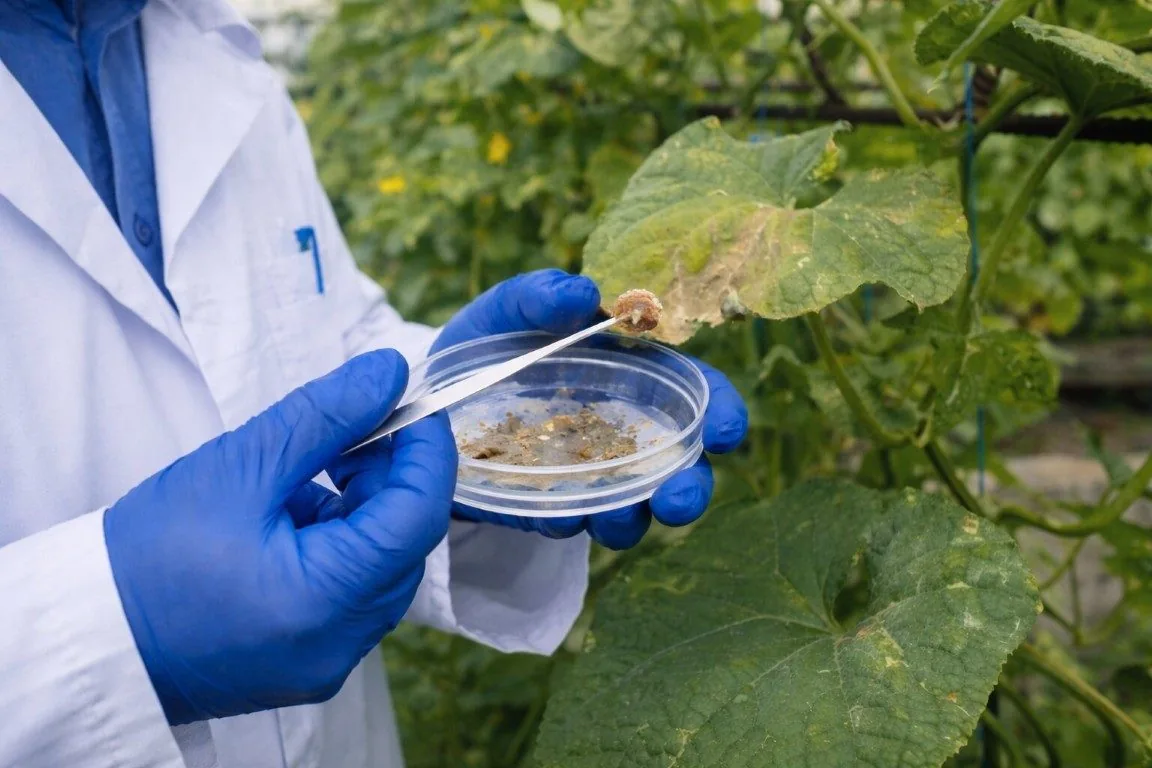
Vegetable production often runs tight rotations, high input intensity, and high economic risk per hectare. In greenhouse systems, biological dynamics can shift quickly, and root-zone problems can develop before symptoms are fully visible. Fungal detection supports early awareness in the root environment - whether you sample soil/substrate, root material, or plant-associated samples. The value is not only detecting a specific pathogen; it is tracking whether the fungal community is moving toward a dominance pattern that typically increases risk. Over time, this can support decisions on hygiene routines, substrate handling, and how to interpret early plant signals before losses escalate.
Application example 3: Monitoring inputs and carry-over risk (seed, residues, compost/manure)
Disease pressure does not only live in fields. It can be introduced or amplified through inputs and carry-over material. Testing seed lots, plant residues, or organic amendments can help organisations understand whether they are moving fungal pressure around unintentionally. For example, when compost or manure is used repeatedly, monitoring can reveal whether pathogen-associated signals are stable, increasing, or being reduced by process control and management. This is especially relevant for operations that want consistency and documentation - internally, or for customers and partners - without turning every decision into a full trial.
Summary
Fungi detection is a practical way to make disease pressure visible earlier and with more structure. Biomcare's approach differs from common one-organism-at-a-time testing by combining validated pathogen detection with broad fungal profiling, giving both the decision layer and the biological context. Used well, it supports rotation planning, reduces risk in high-value systems like vegetables and greenhouses, and helps organisations monitor carry-over pathways through inputs and materials - so pressure is not only detected, but understood in a way that fits real-world programs.
Start your pathogen screening project
Our team is ready to help you detect and monitor fungi pathogens in your fields and crops.