Microbe monitoring in agriculture
Longitudinal sampling that turns microbial biology into a measurable, comparable timeline
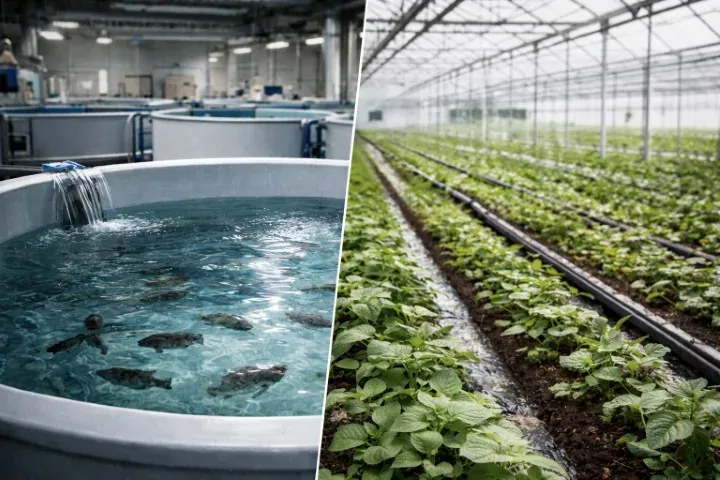
Microbe monitoring is the practice of taking repeated samples from the same agricultural system to understand how microbial communities develop over time. Instead of a single "snapshot," monitoring builds a timeline. That timeline is what makes the results usable: it shows what is normal for a specific field, greenhouse, or production line, and it makes it easier to spot when something has changed in a meaningful way.
In agriculture, microbial systems are dynamic. Soil biology moves with seasons, crop stage, moisture, temperature, and inputs. Water systems in greenhouses change with biofilm formation, hygiene routines, and source water. Compost and substrates evolve across processing stages and can drift when feedstock or process control changes. A single test can be informative, but it rarely tells you whether a result is typical, seasonal, or an early warning sign. Monitoring adds that context by making "normal variation" visible and by highlighting deviations from the system's own baseline.
For many organisations, the value is practical rather than academic. Monitoring supports early detection of introductions or dominance shifts (including pathogens), helps explain why performance changes from season to season, and provides traceability and comparability when you produce biological materials such as compost or organic amendments. Over time, you also start to learn the drivers of variation in your own system - what changes after a sanitation event, a feedstock shift, a change in irrigation regime, or a rotation change. That learning becomes an operational asset because it reduces guesswork.
A good monitoring program is designed to be feasible and informative. The most important principle is consistency: sampling in a repeatable way, at timepoints that match the rhythm of the system. It is rarely helpful to sample "as often as possible" if the program becomes too heavy to maintain. More useful is a simple, repeatable schedule that supports comparison across seasons, batches, or production cycles. The interpretation focus is typically trends and step-changes, rather than isolated values. This is where monitoring differs from one-off screening: it is built to detect direction and drift.
Application example 1: Soil monitoring across seasons and rotation
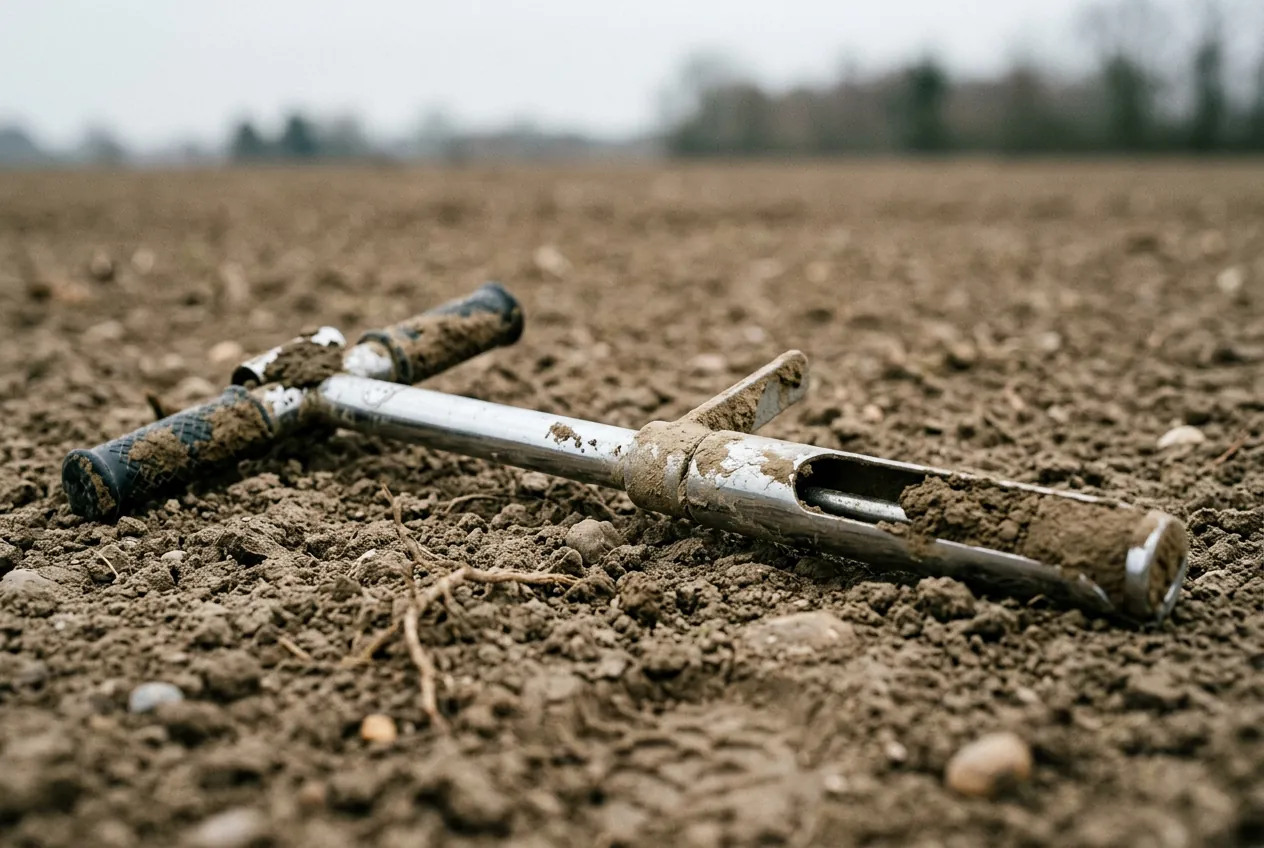
Soil monitoring is often used to build a baseline for a field or a farm network and then track how it shifts across seasons, crop cycles, and management changes. The value is that it makes year-to-year differences measurable. If a field behaves differently in one season, monitoring helps separate "this is seasonal fluctuation" from "the baseline biology has shifted." In rotation planning and risk discussions, this longitudinal context is often more useful than a one-time measurement because it shows whether patterns persist, improve, or worsen.
Application example 2: Greenhouse water and hygiene monitoring
In greenhouses, monitoring irrigation water and key points in recirculation loops is often used to track microbial stability and detect early signs of system drift. Water systems can change quickly, and problems often show up first as gradual shifts in dominance or the emergence of new groups, long before clear symptoms appear in plants. Monitoring provides a practical way to compare compartments or lines over time and to evaluate how hygiene routines and water treatment changes influence the biological state of the system.
Application example 3: Compost and organic input monitoring
For compost and organic amendment producers, monitoring is frequently about batch consistency and process control. Biological products can vary substantially between batches when feedstock composition, season, or processing conditions shift. Monitoring supports comparability between batches, detects process drift early, and creates traceable documentation that can be used internally and, when needed, externally. When monitoring is done at defined process stages, it also helps identify where variability is introduced, which is often the key to improving consistency.
Summary
Microbe monitoring is longitudinal sampling that turns microbial biology into a measurable, comparable timeline. It helps organisations understand normal seasonal variation, detect meaningful changes earlier, and document consistency across fields, systems, or batches. The practical strength is not a single perfect test, but repeatability and context - because over time the data becomes easier to interpret, and the monitoring program becomes more valuable rather than more complicated.
Ready to implement microbiome monitoring?
Whether you manage field crops, greenhouses, or organic inputs, we start with a practical consultation focused on your objectives.