Field trials
Where microbiome data makes results easier to trust
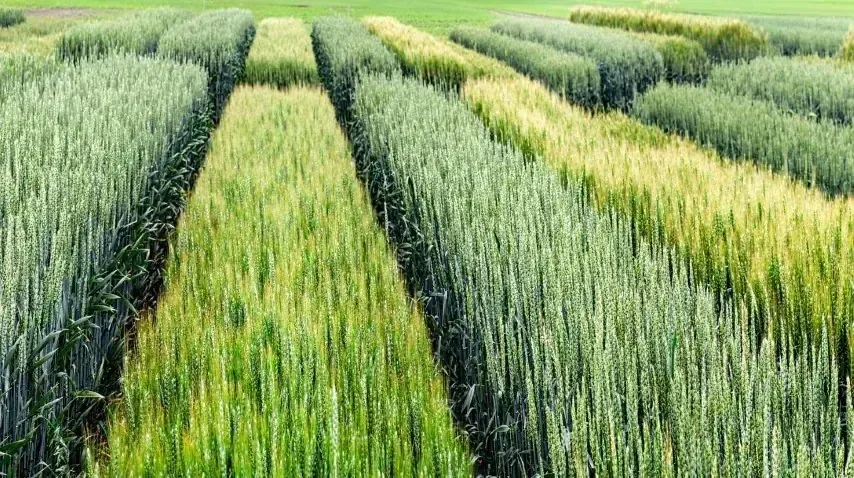
Field trials are the practical reality check for anything that is meant to work in the field: products, management practices, varieties, and crop protection strategies. They are designed to answer the questions that matter commercially and operationally: does it work, how stable is the effect, and under which conditions? Compared to greenhouse or small controlled studies, field trials capture the variability you cannot avoid in real farming - soil type, weather, disease pressure, management differences, and local biology.
That variability is also the reason field trials can be frustrating. You can do everything "right" and still end up with mixed results, large scatter, and unclear conclusions. In many cases, the issue is not the product or the agronomy - it's that we are missing key baseline information about the biological starting point of the field.
"This is exactly where microbiome profiling can add value."
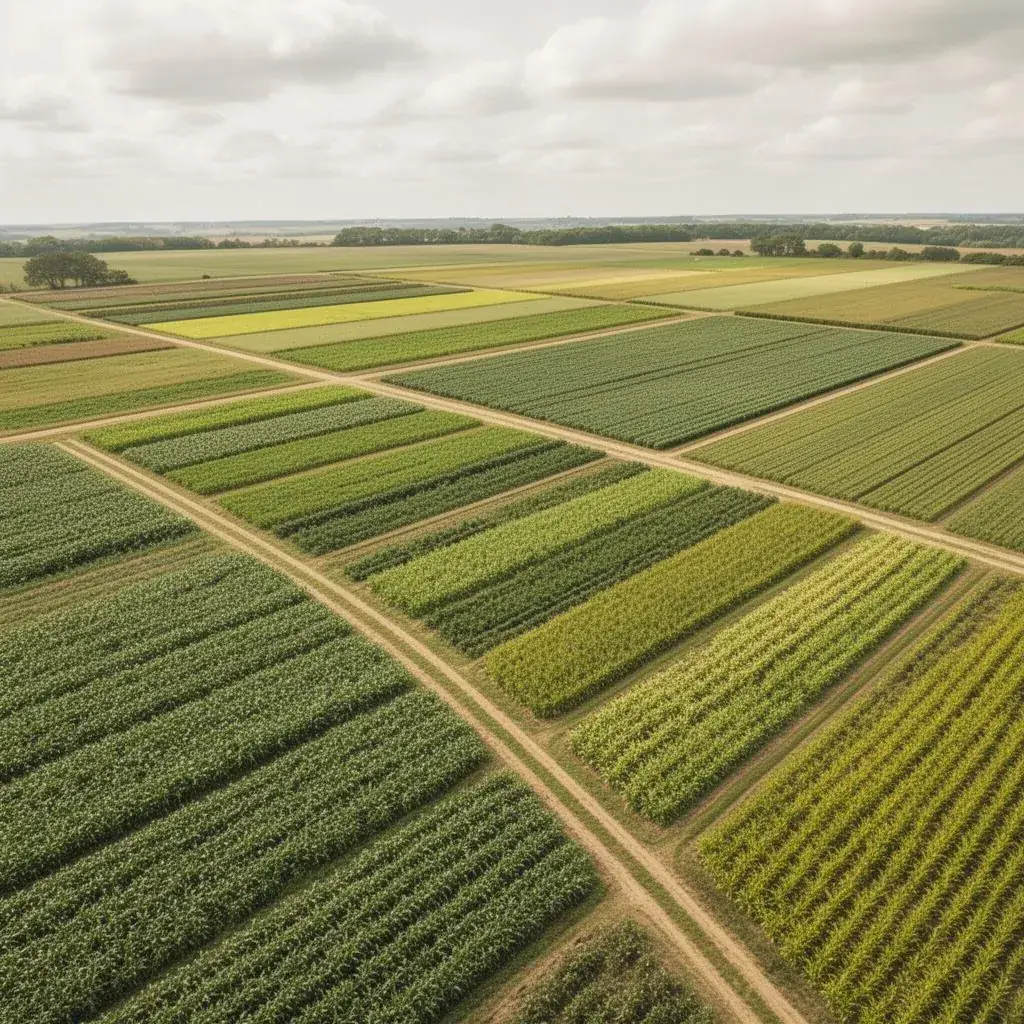
What field trials are used for - and who runs them
Field trials are used to evaluate performance and to build confidence before scaling. Typical objectives are to:
- •validate efficacy and consistency across sites and seasons
- •compare treatments, rates, formulations, and application timing
- •understand when a product performs best (and where it fails)
- •generate documentation and confidence for partners, distribution, and end users
- •improve recommendations by testing practices locally
Trials are run by manufacturers and R&D teams, CROs/trial operators, advisory networks, and seed/breeding organisations. The common challenge across these groups is the same: trials are expensive, time-bound, and they need to produce conclusions you can stand behind - not just plots.
Why the microbiome belongs in field trials
Soil and plant-associated microbiomes influence nutrient transformations, disease suppression, stress responses, and overall system stability. In many trials, soil chemistry alone cannot explain why two sites behave differently. Microbiome profiling adds a structured biological layer: who is there and what functional potential is present.
This doesn't replace agronomy. It helps the trial become more interpretable - especially when results are variable or when a biological product is expected to work through soil/plant biology.
Three practical roles for microbiome data in a trial
1) Baseline biology (control for site-to-site variation)
A lot of "trial noise" is actually biological variation. Baseline microbiome profiling gives you a way to document that starting point across sites and timepoints. This can make a big difference when you try to separate:
- •true treatment effects from site effects
- •seasonal effects from intervention effects
- •and real product response from "this site simply had a different biology"
For multi-site trials, this is often the highest-value use case: it reduces the risk of drawing the wrong conclusion from a noisy dataset.
2) Biological response (document what changes)
If an intervention is expected to influence biology (directly or indirectly), microbiome profiling can document whether microbial community patterns and functional potential shift in a consistent way. For product teams, that can support:
- •differentiation between treatments
- •"no negative impact" documentation
- •and a more credible mode-of-action story that is based on measured biological signals, not assumptions
Importantly, this is not about overpromising agronomic outcomes. It's about documenting biological response as an evidence layer.
3) Learning why results differ (speed up next-season decisions)
Field trial programs often end up with the same question: why did it work there, but not here? Microbiome patterns can help structure that discussion by highlighting biological differences between responders and non-responders, or between sites where outcomes diverge.
Even when it doesn't give a single "answer," it often improves decision quality by turning vague explanations into measurable, comparable signals - useful for site selection, stratification, and better trial design next season.
Why it matters
Field trials are the reality check for products and practices, but real-world variability makes interpretation difficult. Microbiome profiling adds a practical biological layer - baseline and response - that helps explain site differences, reduces uncertainty when outcomes are mixed, and strengthens trial learning across seasons. Used in a disciplined way, it improves confidence in conclusions and makes next-step decisions easier to justify, without turning complex biology into oversimplified prescriptions.
Get started
Talk to our team about integrating microbiome profiling into your field trial program.
Ready to add microbiome data to your field trials?
Whether you're validating products, comparing treatments, or building multi-site evidence, we start with a practical consultation focused on your objectives.