Pre-clinical & translational
Why the microbiome belongs in the conversation
Pre-clinical and translational work is where big decisions are made before the high-cost steps. It's the bridge from controlled experiments to something you can trust in people - or in real deployment.
In practice, "pre-clinical" usually means controlled studies (often in vivo) used to test feasibility, understand biological effects, and reduce risk before you scale up. "Translational" is the next step: connecting those findings to human relevance - endpoints, biomarkers, responder logic, and study design choices that hold up outside the lab.
The microbiome matters here for one simple reason: it can change outcomes - sometimes quietly, sometimes dramatically. And if you don't measure it, you're often left explaining variability with guesses.
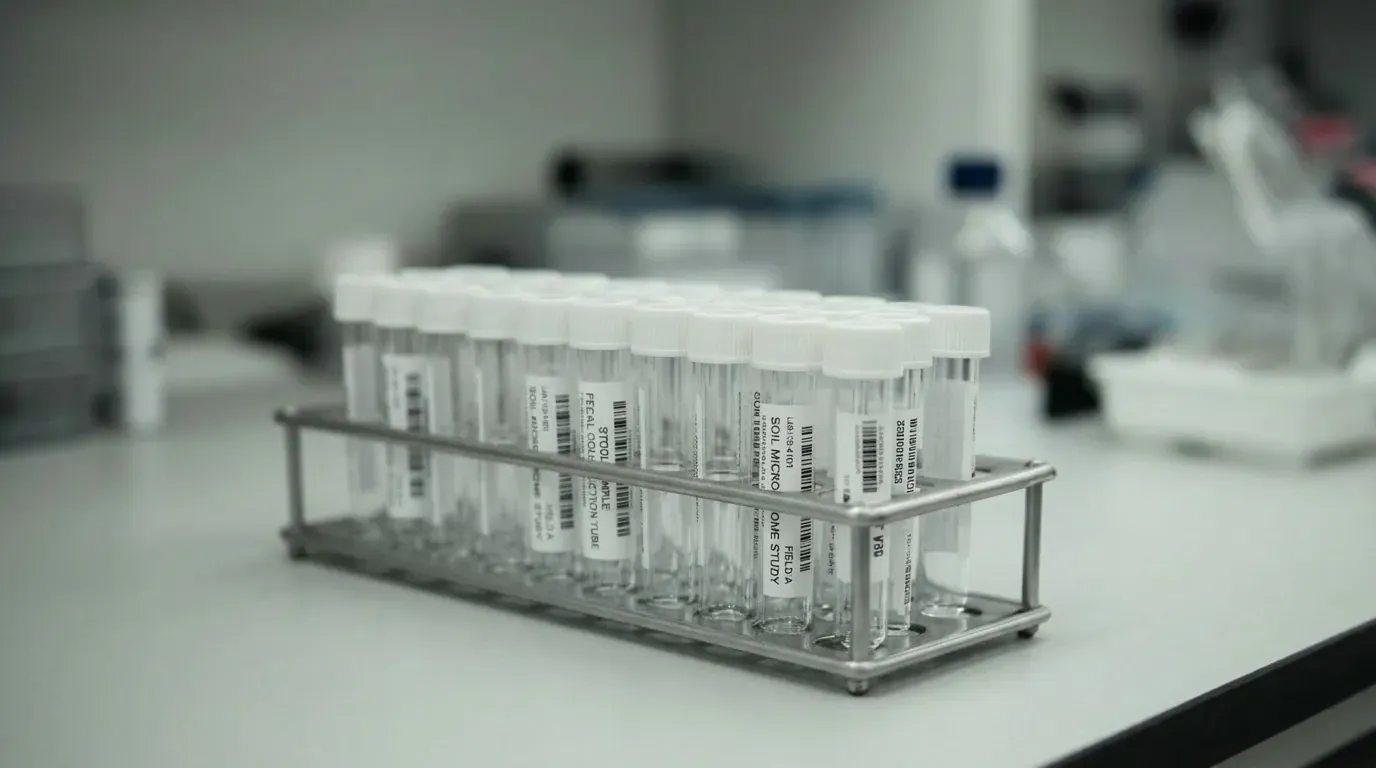
What the pre-clinical and translational terms cover
Pre-clinical spans animal models and controlled study systems used to explore biology and test interventions. It might be a feed additive evaluated in livestock, a treatment tested in mice or rats, or a model designed to probe a specific mechanism.
Translational is about carrying that learning into the next step:
- •deciding what to measure in humans,
- •defining what "response" should look like,
- •understanding why responses differ,
- •and building evidence that supports a credible mechanism story.
Who uses microbiome data in this space
You'll see microbiome profiling used by:
- •R&D teams developing products where biology is part of the value (nutrition, live/biological products, treatments, functional ingredients)
- •CROs and study operators who need repeatable analysis across cohorts and projects
- •Academic and clinical groups building the biology-to-patient bridge
- •Teams running animal facilities and long-running models, where reproducibility and drift become a real operational issue
Different organisations call it different things, but the need is the same: make results more comparable, more interpretable, and more useful for decisions.
Where microbiome data creates value (without overcomplicating the story)
1) It makes hidden variation visible
Animal studies are controlled - but they're not identical. Housing, diet batch, vendor, facility, handling, cohort timing, and "what's already living in the animals" can all shift outcomes.
Microbiome profiling gives you a way to document baseline state and identify when two cohorts aren't truly comparable - even when the protocol is the same. That matters when:
- •results don't replicate across cohorts,
- •outcomes differ between facilities,
- •or a model that behaved one way last year behaves differently now.
This is one of the most practical, high-return uses of microbiome data in pre-clinical work.
2) It strengthens interpretation of response and mechanism
Many interventions influence the microbiome even when that's not the headline. Diet changes, stress, antibiotics, disease state, additives, and treatments can all shift the microbial system - and that shift can be part of the biological effect.
Microbiome profiling helps teams answer questions like:
- •Did the intervention shift the microbial system in a consistent direction?
- •Are changes aligned with the expected mode of action - or do they suggest an alternative explanation?
- •Are we seeing the same biological "theme" across repeats (even if details vary)?
This is often how microbiome data becomes useful: not as a standalone story, but as a layer that makes the main story clearer.
3) It supports responder logic and translation
In translational work, heterogeneity is the default. Two individuals (or two animals) can respond differently because they start in different biological states.
Microbiome data can help:
- •define baseline profiles that separate responders from non-responders,
- •guide stratification logic in later studies,
- •and support biomarker hypotheses that are grounded in measurable biology.
It doesn't remove complexity - but it makes it structured, so you can make cleaner decisions.
Common scenarios where microbiome data is especially useful
Inter-facility and vendor effects
If animals come from different sources or studies run across facilities, baseline microbiome differences can be large enough to change phenotype and treatment response. Profiling helps you document this and interpret results without guesswork.
Drift over time
Long-running colonies and facilities change. Diet batches change. Husbandry shifts. Renovations happen. Antibiotic exposures occur. Microbiome monitoring makes drift visible so "same model" actually means something over time.
Confounders you can't afford to ignore
Diet and antibiotics can dominate microbiome variation. Transport and stress can also leave a signature. When these factors are present, microbiome data often helps explain "unexpected" patterns that would otherwise be blamed on the intervention.
Cross-species and cross-model work
Microbiomes aren't identical across species. That's not a problem - it just changes how you compare. Many teams focus on whether the same functional themes and response patterns show up across models, rather than expecting identical taxa.
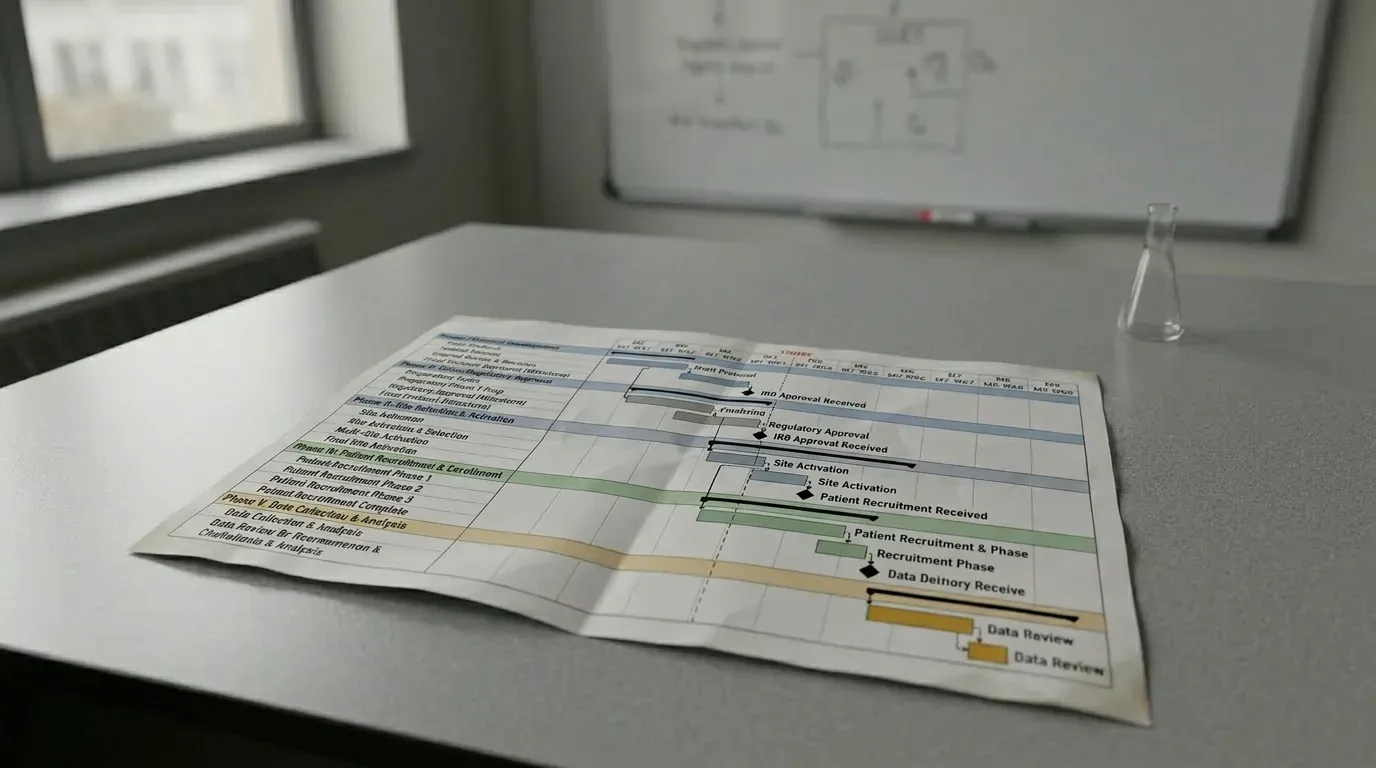
Summary
Pre-clinical and translational programs exist to reduce risk before the next big step. Microbiome profiling helps by making a major source of variability measurable, strengthening interpretation when results are mixed, and supporting responder and biomarker logic as programs move toward human relevance. Used well, it doesn't complicate the story - it makes the story easier to trust.
Get started
Talk to our team about integrating microbiome profiling into your pre-clinical or translational program.
Ready to integrate microbiome data into your program?
Whether you're running pre-clinical studies, building translational evidence, or improving reproducibility across facilities, we start with a practical consultation focused on your objectives.